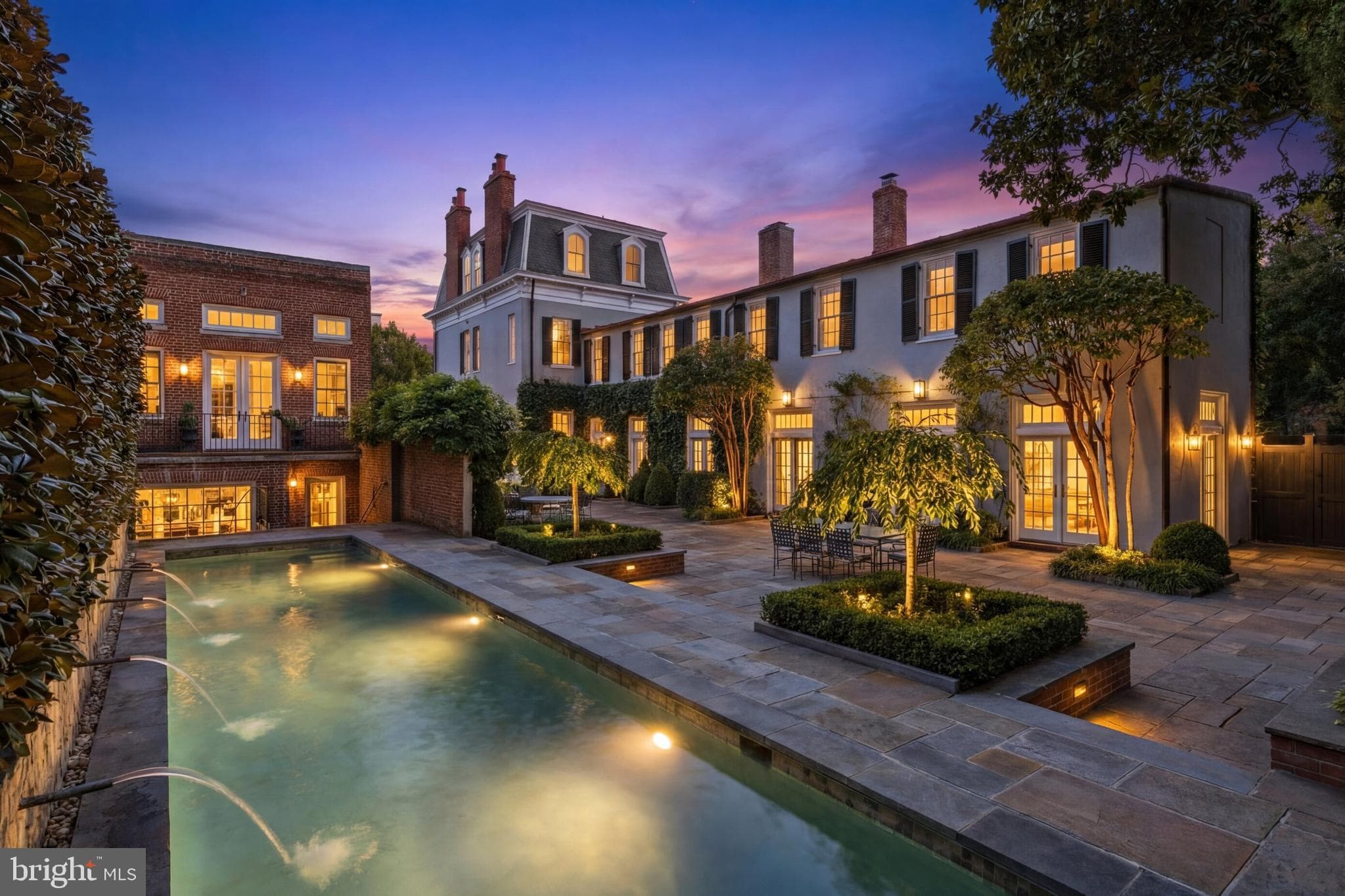
$13,995,000
3117 O Street NW, Washington, DC 20007
Listing courtesy of TTR Sotheby's International Realty

Founded as a tobacco port in 1751, Georgetown remains one of Washington’s most distinctive residential addresses.
Georgetown predates the District of Columbia. Established in 1751 as a tobacco inspection port on the Potomac, it grew into a commercial center along the Chesapeake & Ohio Canal before becoming one of Washington’s most closely held residential neighborhoods. Brick Federal and Georgian row houses, cobblestone streets, and a mature tree canopy still define its character.
Congress created the Old Georgetown historic district in 1950, giving the neighborhood one of the city’s earliest protections for exterior architecture. Georgetown University, founded in 1789, anchors the western edge. The canal towpath and waterfront keep the river part of daily life. In the mid twentieth century the neighborhood was also a center of Washington political life. John F. Kennedy lived here as a senator and as president elect.
Residents have walkable access to shops and restaurants along M Street and Wisconsin Avenue, to the waterfront, and to quieter residential blocks north and west of the commercial corridors. The housing market is shaped by limited inventory, historic district rules, and consistent demand from buyers who want architectural character close to downtown.
Georgetown offers a rare combination in Washington: an intact eighteenth and nineteenth century streetscape, a working commercial core, and immediate access to the Potomac. Residents who choose it typically want walkability, historic architecture, and a neighborhood that feels distinct from the rest of the city, not a short term address.
Daily life is split between the quieter residential streets and the activity of M Street, Wisconsin Avenue, and the waterfront. The C&O Canal towpath is used for walking and cycling. Estates and gardens such as Dumbarton Oaks and Tudor Place sit within the neighborhood, and Georgetown University brings a steady academic presence to the western blocks.
The same qualities that draw visitors, the canal, the row houses, the river, are what long term residents value most. Living here means accepting weekend foot traffic near the commercial streets in exchange for a setting that has remained desirable for generations.
The housing stock is dominated by historic row houses and townhomes, many from the eighteenth and nineteenth centuries, with brick façades, stoops, rear gardens, and period detail. Larger freestanding residences appear on certain blocks, particularly toward the edges of the neighborhood. Federal and Georgian houses are the signature, with later Victorian and early twentieth century properties mixed throughout.
Luxury condominiums and boutique buildings are concentrated near the waterfront and along the main commercial corridors. Because so much of Georgetown falls within the historic district, exterior changes are reviewed, and true new construction is limited. That constraint, together with steady demand, keeps inventory tight and supports values over time for both primary residences and long hold investments.
Georgetown draws buyers and renters who want a walkable, historic neighborhood with proximity to downtown, the universities, and the river.
Professionals in government, law, diplomacy, and consulting: Many residents work in those fields and value the short trip to downtown, Foggy Bottom, and the city’s core institutions.
Long term homeowners: A substantial share of the market is held by owners who bought for the architecture and have stayed, which is one reason listings can be scarce.
University faculty, staff, and graduate students: Georgetown University sits at the edge of the neighborhood and is a consistent part of the local population.
Empty nesters and downsizers: Walkability, dining, and access to nearby hospitals make Georgetown a practical choice for households leaving larger homes in Northwest DC or the close in suburbs.
Well priced houses often draw multiple interested buyers. Historic district rules can limit exterior work, so renovation plans should be reviewed before you bid. Many homes have no garage; street parking and permit rules are part of daily life and should be weighed block by block. An agent who regularly works Georgetown’s historic inventory can help you read condition, comparable sales, and which streets stay quieter.
Rents run higher than in many other District neighborhoods because of location and limited supply. Townhouses and smaller boutique buildings are especially competitive, so it helps to start early and be ready to decide. Proximity to M Street or the waterfront can mean more evening and weekend activity; quieter options are typically a few blocks off those corridors.
Historic preservation: Exterior alterations in the historic district are subject to review. That protects the streetscape and can add time and cost to renovations.
Parking and access: Street parking is limited, and some blocks require permits. A garage, if one exists, is a meaningful advantage.
Noise and foot traffic: M Street, Wisconsin Avenue, and the waterfront are busiest on weekends. Quieter residential blocks are generally farther west and north.
Long term value: Constrained supply and enduring demand have made Georgetown one of Washington’s more resilient residential markets. Location within the neighborhood still matters as much as the house itself.
Buyer profile: Typical buyers include professionals, downsizers, and purchasers, including international buyers, who want a historic address close to downtown. Emphasize architecture, walkability, and the specific block, not generic lifestyle language.
Presentation: Original detail in good repair, thoughtfully updated interiors, and restrained staging tend to outperform cosmetic shortcuts. Buyers compare Georgetown houses carefully.
Pricing: Accurate pricing against recent historic home sales is essential. Overpricing is visible quickly in a market this well watched.
Timing: Spring and fall usually bring the most activity, though well presented Georgetown properties can sell throughout the year.
$13,995,000
3117 O Street NW, Washington, DC 20007
Listing courtesy of TTR Sotheby's International Realty
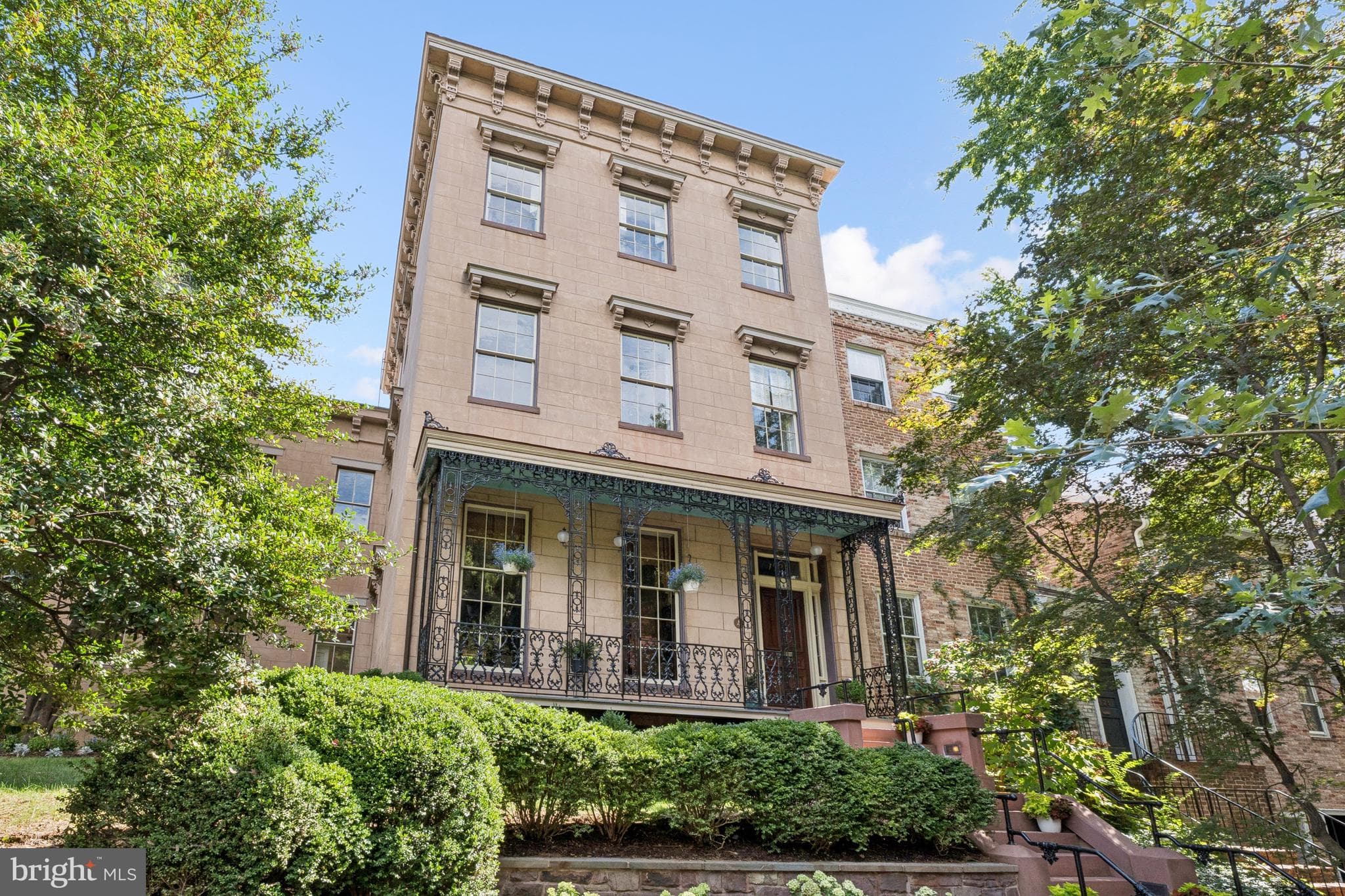
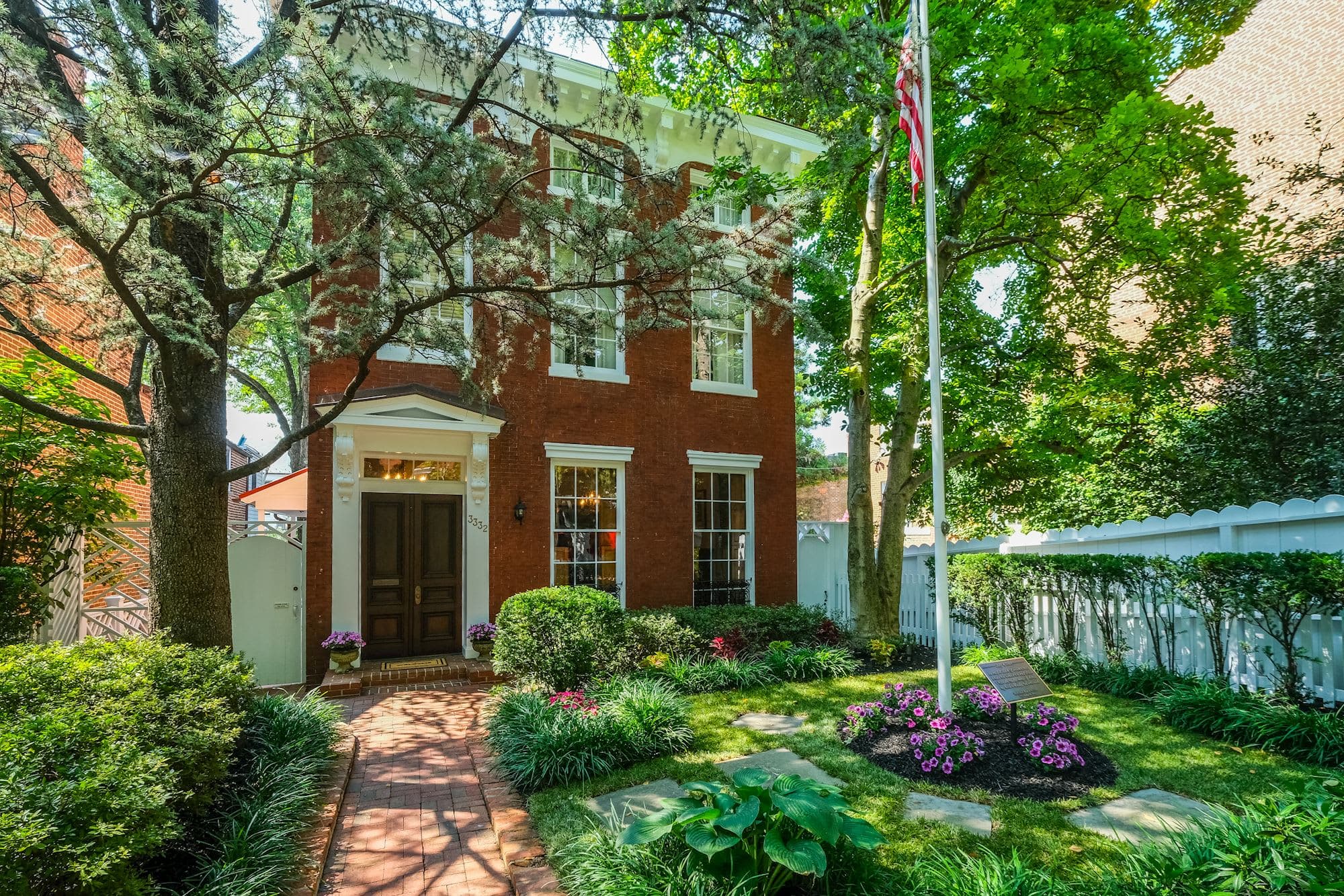
$7,700,000
1527 35th Street NW, Washington, DC 20007
Listing courtesy of Washington Fine Properties, LLC
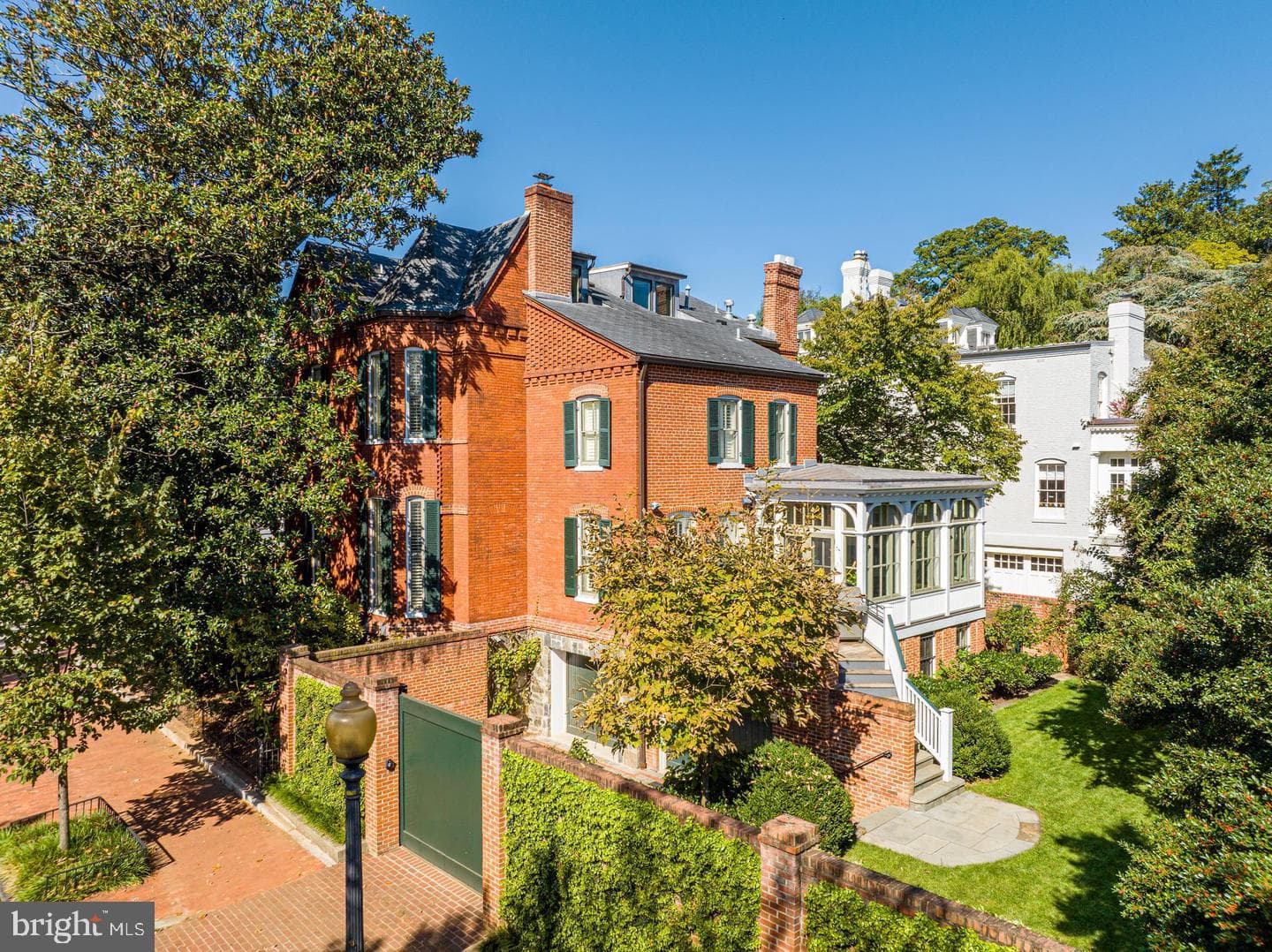
$7,495,000
1601 28th Street NW, Washington, DC 20007
Listing courtesy of TTR Sotheby's International Realty
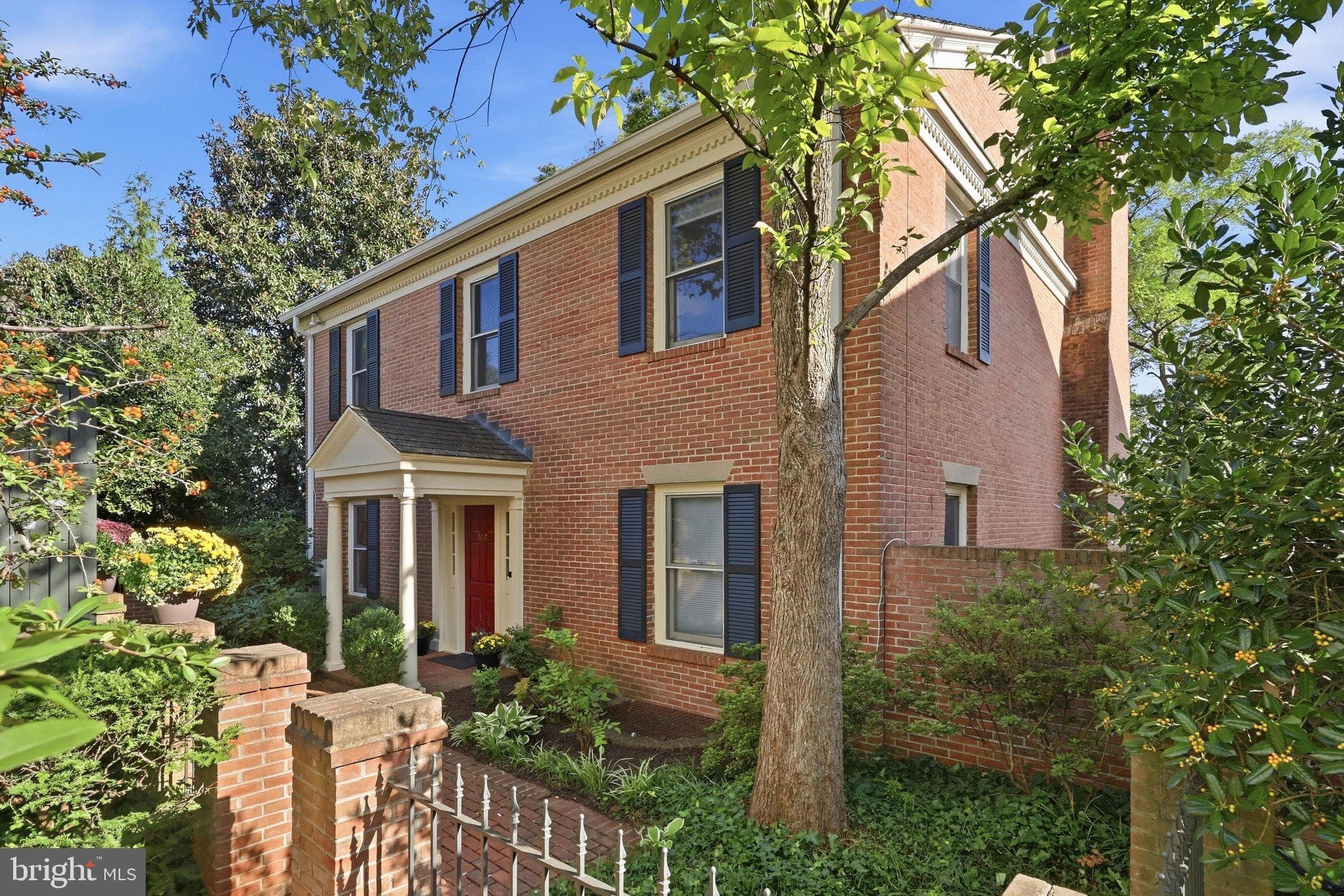
$4,300,000
1617 31 Street NW, Washington, DC 20007
Listing courtesy of Long & Foster Real Estate, Inc.
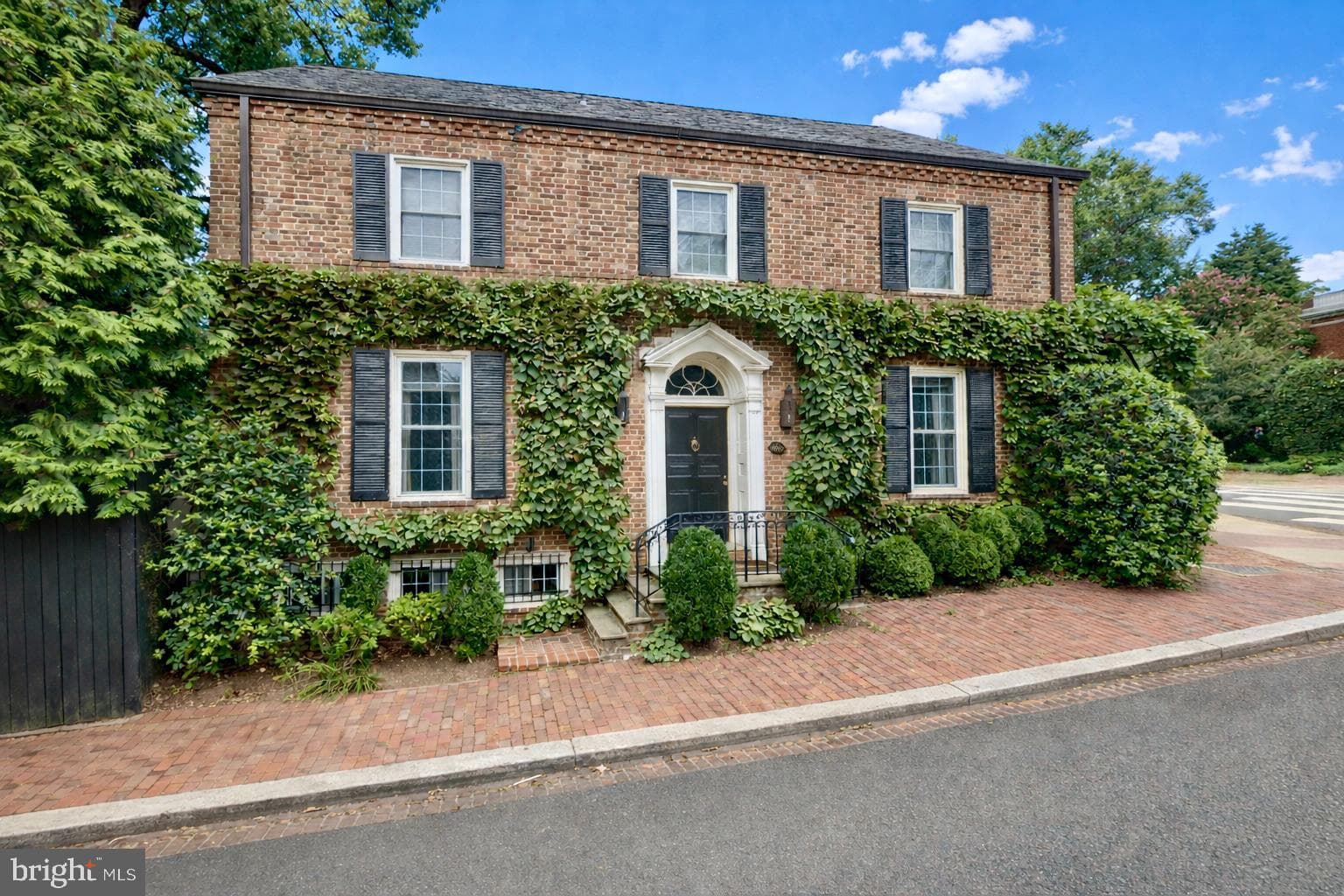
$3,945,000
1698 32nd Street NW, Washington, DC 20007
Listing courtesy of TTR Sotheby's International Realty
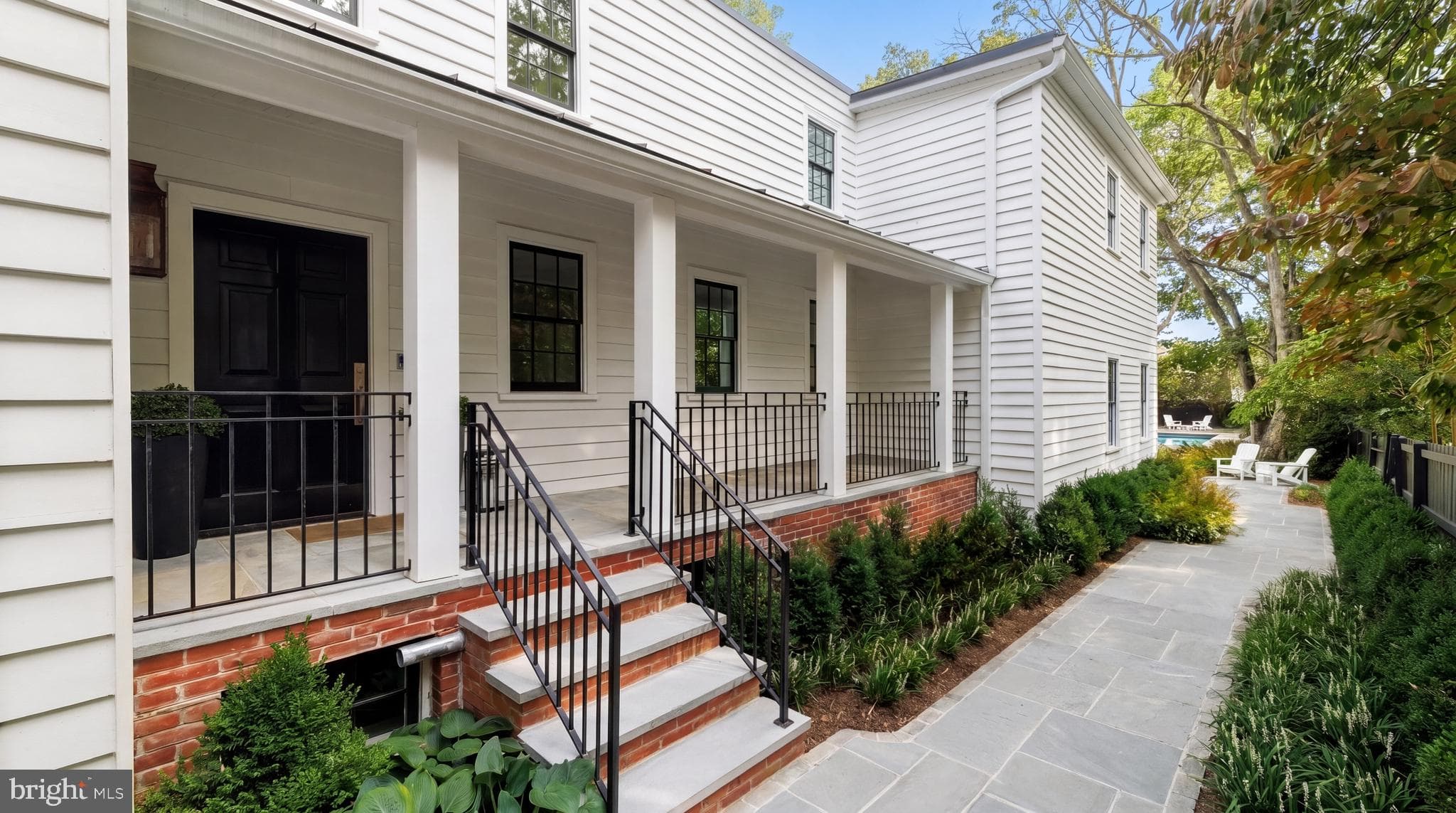
$3,940,000
3418 Reservoir Road NW, Washington, DC 20007
Listing courtesy of TTR Sotheby's International Realty
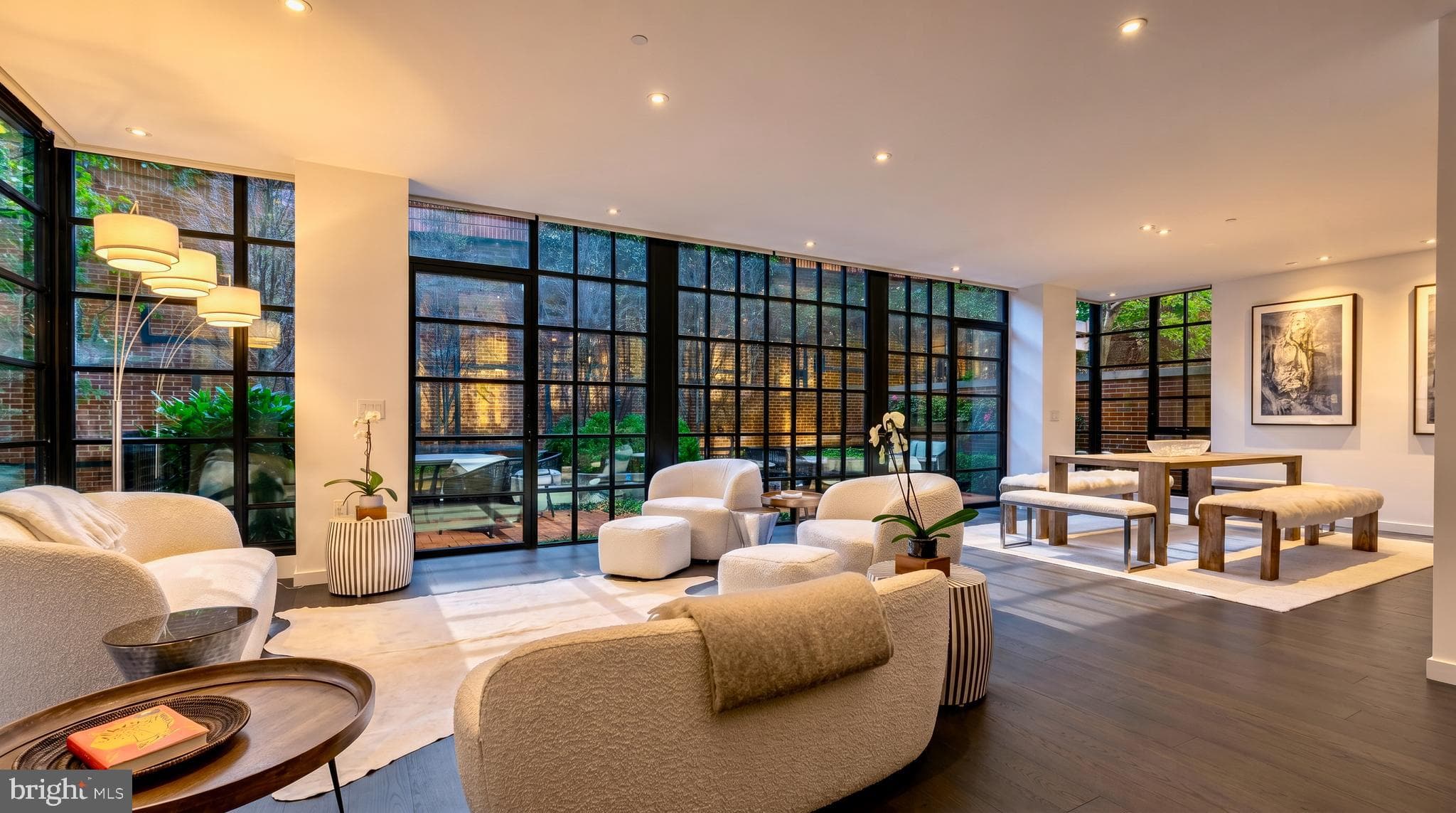
$3,700,000
3303 Water Street NW 3F, Washington, DC 20007
Listing courtesy of Compass
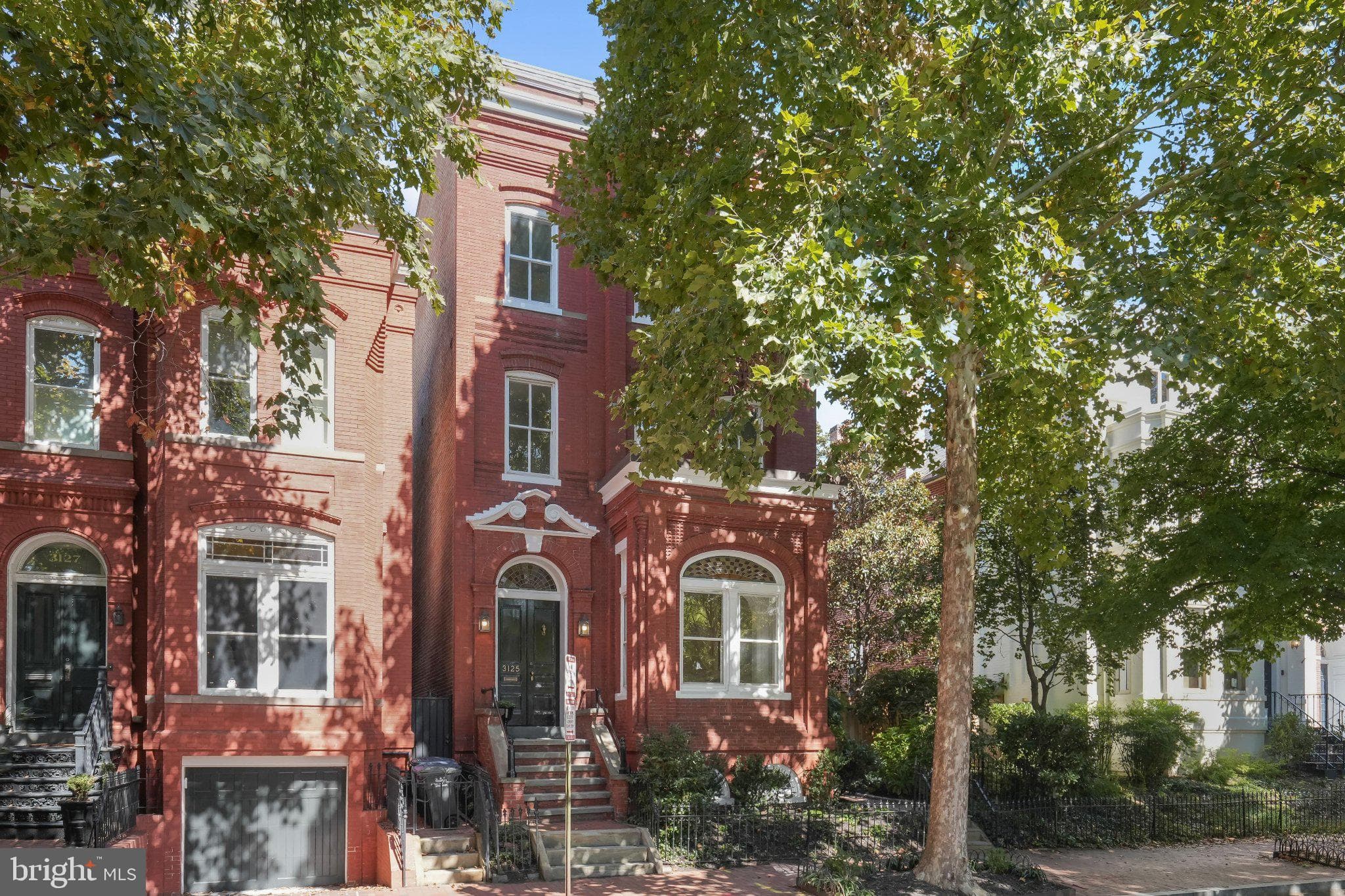
$3,595,000
3125 P Street NW, Washington, DC 20007
Listing courtesy of Washington Fine Properties, LLC
Listing data is provided by IDX Broker from participating brokers in Bright MLS. Information is deemed reliable but not guaranteed. IDX information is provided exclusively for consumers’ personal use, not commercial use.
Georgetown's housing stock is dominated by 18th- and 19th-century brick row houses and townhomes — Federal and Georgian styles are the signature — along with larger freestanding residences on select blocks and luxury condominiums concentrated near the waterfront and the M Street and Wisconsin Avenue corridors.
Yes. Congress created the Old Georgetown historic district in 1950, one of the city's earliest protections for exterior architecture. Exterior changes are reviewed and true new construction is limited, which keeps inventory tight and supports long-term values.
Daily life splits between quiet residential streets and the activity of M Street, Wisconsin Avenue, and the Potomac waterfront. Residents walk to shops, restaurants, the C&O Canal towpath, and landmarks like Dumbarton Oaks and Tudor Place, with downtown Washington minutes away.
Well-priced houses often draw multiple offers, historic district rules can limit exterior work, and many homes have no garage, so parking should be weighed block by block. An agent who regularly works Georgetown's historic inventory can help read condition, comparable sales, and which streets stay quieter.
Get assistance in determining current property value, crafting a competitive offer, writing and negotiating a contract, and much more. Contact me today.